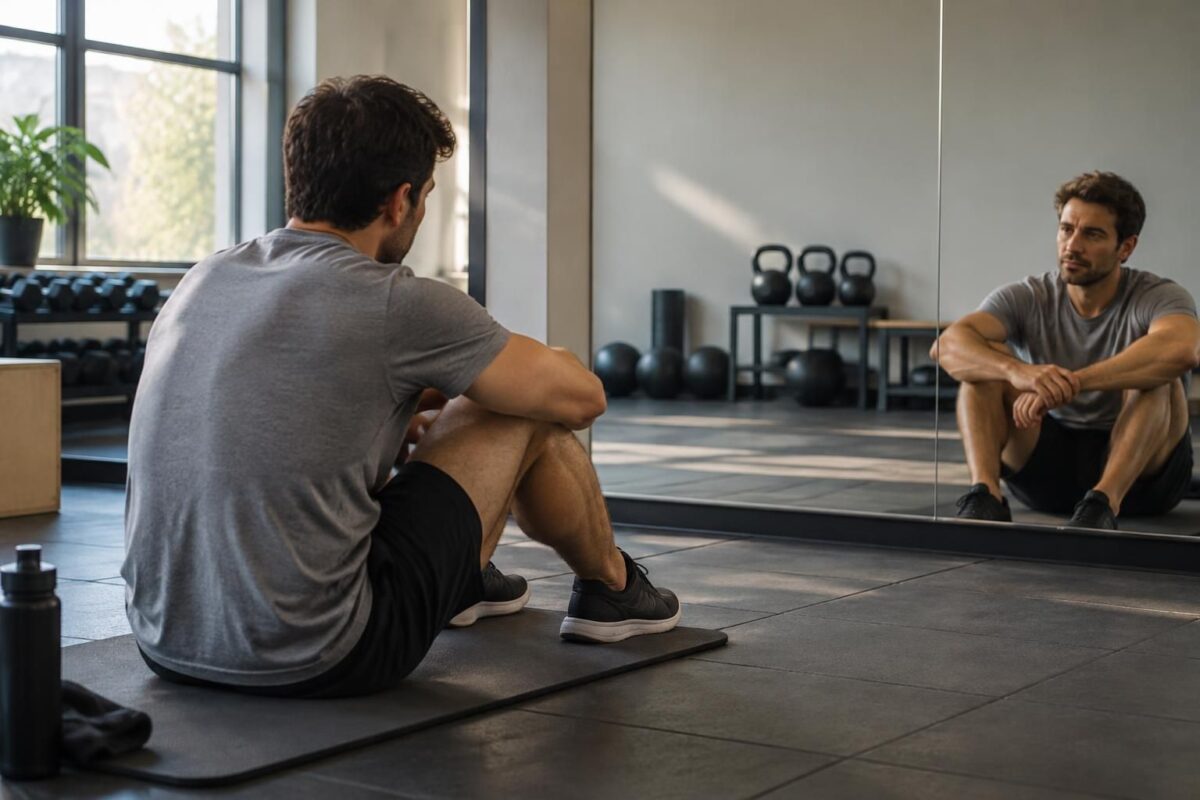
Mental preparation: starting again alone, good or bad idea
Hello, this is Néora.
Yes, getting back to it on your own can be a good idea if you make gradual progress and know when to ask for help. Mental preparation helps you stay on track, but it doesn’t replace listening to your body or getting professional support when the situation calls for it.
Things to do right away
- Choose a personal reason for getting back to it, without comparing yourself to others.
- Set a modest, specific goal for the week.
- Plan a short session suited to your current level.
- Try two minutes of calm breathing before you start.
- After the session, note your energy, mood, and any pain.
Getting back to it on your own works better with simple guidelines than with perfect motivation. To move forward without judging yourself, also check out these tips on getting back to mental preparation without judging yourself, then find out whether getting back to fitness on your own is right for you.
Getting back to it on your own: when training independently is a good option
If you already exercise regularly, know the basic movements, and don’t have any particular pain, training independently can help you get back into a rhythm. You choose your schedule and intensity, which supports personal motivation.
If you’re returning after a long break, an injury, or a period of significant fatigue, it’s best to ask for advice before increasing your workload. Persistent pain, discomfort that gets worse, or significant apprehension are signs to take seriously: the risk of injury increases when the urge to make up for lost time takes over.
Mental preparation: making progress without waiting until you feel perfectly motivated
Mental preparation isn’t about convincing yourself that everything will be easy. Instead, it helps you identify what’s holding you back, choose a realistic action, and return to that action when doubt creeps in.
For example, Lina is getting back into running after several months off. Rather than immediately aiming for a long distance, she plans three short outings, alternating between walking and running, then notes how she feels. This process-focused goal setting protects her self-confidence and makes her progress more visible.
| Mental tool | How to use it when getting back to it | Practical guideline |
|---|---|---|
| Controlled breathing | Slow your pace before a session or after a stressful moment. | A few slow breaths, without forcing them. |
| Visualization | Imagine the start of the session and the movements you already know. | Two to five minutes before exercising. |
| Self-talk | Replace “I have to get back to my previous level” with “I’m building my rhythm.” | A simple, believable, encouraging phrase. |
| Goal setting | Define a measurable action rather than an immediate result. | For example, get moving twice this week. |
Consistency matters more than one heroic workout followed by exhaustion. A small ritual that’s easy to repeat can support your athletic progress and stress management without turning every workout into a test of your personal worth.
The pitfalls of getting back to it on your own and how to avoid them
A common mistake is returning to the level you were at before your break. Your body and habits need time to readjust: gradually increase the duration or intensity, rather than both at the same time.
Another pitfall is thinking that a dip in motivation means you have to stop altogether. It’s often more helpful to shorten the session, change activities, or go for a walk, while taking any unusual pain seriously. Confidence is also built by knowing how to adjust your plan.
An independent workout can follow three simple steps:
- Before: choose a clear intention, such as moving for twenty minutes at a comfortable pace, then take a few slow breaths.
- During: pay attention to your breathing and how you feel. Slow down or stop if pain appears or gets worse.
- After: note what went well and what you’ll adjust next time. The goal is to learn, not judge yourself.
When professional support can help
A coach or mental performance coach can help you clarify your goals, create a suitable routine, and work through a persistent block. A healthcare professional is recommended if you’re returning after an injury, if the pain comes back, or if you have a medical concern.
Asking for help doesn’t take away your independence. On the contrary, appropriate advice can make getting back to it safer and help you regain lasting structure.
Getting back to it on your own, with realistic guidelines
You can start with just one habit: a short session at a set time, taking a breath before exercising, or writing down a goal for the week. Once it becomes easy to maintain, add another guideline.
The right way to get back to it isn’t the one that impresses people, but the one you can repeat without putting yourself at risk. If you’re concerned about your health or pain level, get professional support before continuing.
Frequently asked questions about getting back to exercise on your own
Can you practice mental preparation on your own?
Yes. Breathing, visualization, self-talk, and gradual goal setting can all be practiced independently. However, professional support can help if you’re facing a lasting block or preparing for a challenging goal.
How can you maintain personal motivation after a break?
Choose an activity you enjoy, set a simple goal for the week, and note your efforts rather than comparing your past performance. Consistency is built through actions that are easy to repeat.
What should you do if pain appears when getting back to exercise?
Stop or modify the exercise, especially if the pain gets worse or persists. If the pain is severe or keeps coming back, ask a healthcare professional for advice before resuming training.
How much time should you spend on mental exercises?
A few minutes are enough to start: take the time to breathe calmly or visualize the beginning of a session. Choose a short practice that you can repeat regularly.
Thanks for reading! Feel free to share your thoughts in the comments. — Néora