Sport and health: getting back into it at 50 without a misstep
Hello, it’s Néora.
At 50, getting back into sports without a hitch means choosing physical activity that suits you, keeping sessions short, and progressing at a relaxed pace.
Getting back into exercise can improve endurance, strength, and day-to-day well-being. The right pace starts where your body feels able to move with enjoyment.
Good habits to adopt
- Start with 20 to 30 minutes of walking, easy cycling, or swimming.
- Plan two sessions a week, with a recovery day in between.
- Add a simple strength exercise, such as sitting down on a chair and standing back up.
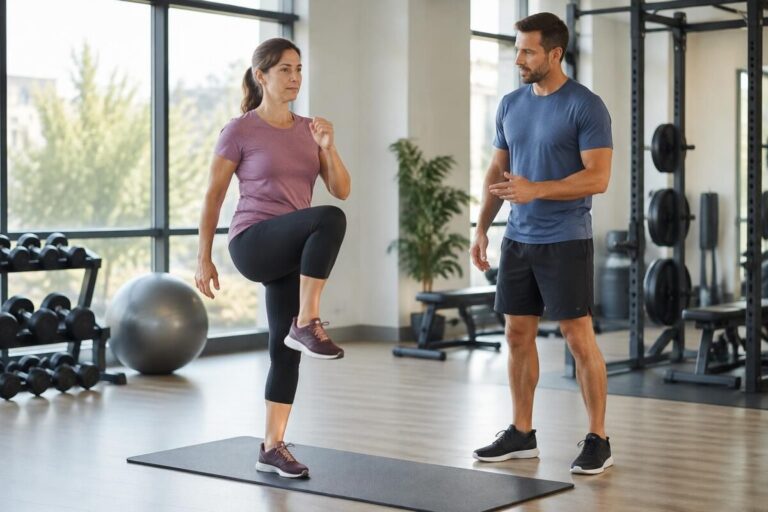
- Set aside a few minutes for mobility and balance.
- Ease off if unusual pain, dizziness, or abnormal shortness of breath occurs.
To choose a realistic pace, check out these tips for planning your return to exercise after 50 and these pointers on the importance of gradual progress.
Why getting back into exercise after 50 can change your daily life
Regular movement helps maintain muscle strength, endurance, and mobility. You may also notice the benefits in everyday tasks: climbing stairs more easily, carrying your groceries, or feeling more energetic throughout the day.
There’s no need to start with an intense workout. A 15-minute walk is already a useful starting point, especially after a long period of inactivity. The goal is to build a lasting habit, not to make up for lost time in just a few days.
Imagine Marc, 53, who decides to walk after dinner three times a week. At first, he takes a comfortable-paced lap around the neighborhood; a few weeks later, he extends his route because he feels ready. These everyday gains are what fuel motivation.
Choosing physical activity that suits your fitness level
Brisk walking is easy to adjust and requires little equipment. Cycling, swimming, and water aerobics are also ways to work on your stamina with less impact on your joints; the best choice is the one you’ll want to do again.
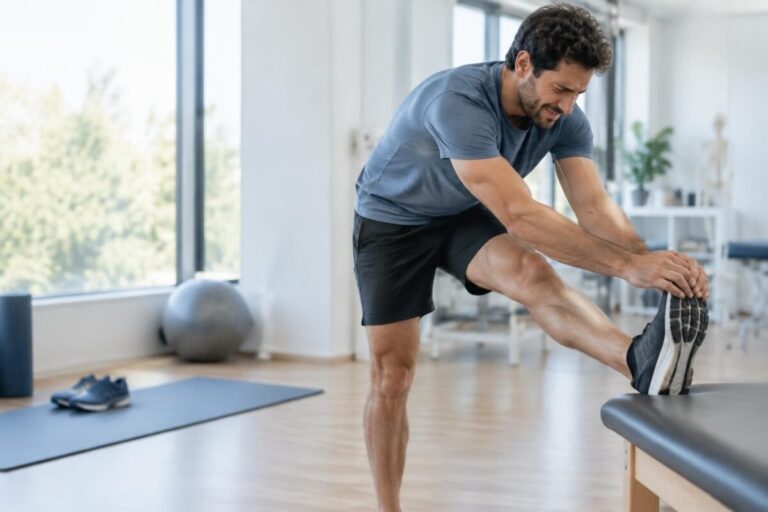
To balance your routine, combine an endurance activity with light strength training, flexibility work, and a few balance exercises. A resistance band, chair exercises, or a few minutes of ankle and hip mobility are enough to get started.
Would you like to run? Alternating walking and running lets you gradually prepare your muscles and tendons. Keep to a pace that allows you to talk, and increase the duration first, without also pushing your speed and frequency.
When to seek medical advice
A health check is particularly useful if you have a history of heart problems, a chronic condition, persistent pain, or are planning intense activity. It is not always necessary for gentle activity, but a healthcare professional can help you adapt your exercise to your situation.
You may experience moderate fatigue or mild muscle soreness at first. However, stop your session and seek advice if you feel intense or persistent pain, dizziness, tightness in your chest, or unusual shortness of breath.
Guidelines for making progress without getting discouraged
Injury prevention depends on increasing your workload gradually. If you’ve been relatively inactive, start with two 20- to 30-minute sessions a week; if you’re already active regularly, adjust this starting point based on how you feel and your health.
| Guideline | To get started | What to look out for |
|---|---|---|
| Endurance | Walking, moderate cycling, or swimming, for 20 to 30 minutes | A manageable effort that doesn’t leave you exhausted |
| Strength training | Chair exercises or resistance-band exercises, 1 to 2 times a week | Controlled, comfortable movements |
| Flexibility and balance | A few minutes of mobility and balance exercises | A stable posture without pain |
| Recovery | A lighter day or a rest day between sessions | Enough energy to get back to it |
| Motivation | A simple, measurable goal | Consistency rather than performance |
A common mistake is to push too hard in the first few sessions, then have to stop because of fatigue or pain. If you miss a session, simply start again at your own pace: there’s no need to make up for it by doubling your effort.
Your return to exercise in three steps
- Take stock. Note your activity level, any pain, the time you have available, and the activities you enjoy. If you have any medical concerns, seek advice before increasing the intensity.
- Build a simple routine. Plan two gentle sessions a week and, if it works for you, add a short period of strength training or mobility work.
- Make small, gradual gains. Increase the duration or intensity, but not everything at once. Allow enough time to recover so you can continue your sessions with confidence.
After a few weeks, also take note of your sleep, energy, and how easily you manage everyday tasks. These signs often tell you more about your progress than the scales do.
Frequently asked questions about exercise after 50
Can you get back in shape after 50?
Yes. The body can adapt to physical activity at any age. A gradual, regular return to exercise that suits your fitness level can help build endurance, strength, and ease in everyday life.
How many sessions should I plan to start with?
Two short sessions a week are a reasonable starting point for many people. Adjust the duration and frequency based on your fitness level and recovery, and follow the advice of a healthcare professional if needed.
Which sport should I choose when getting back into exercise?
Walking is an accessible option. Cycling, swimming, water aerobics, or Pilates may also work; choose an enjoyable activity that suits any limitations you may have.
How can I tell the difference between muscle soreness and concerning pain?
Mild muscle soreness may occur after exercise. Intense or persistent pain, swelling, dizziness, or abnormal shortness of breath are reasons to stop exercising and seek medical advice.
Thanks for reading! Feel free to share your thoughts in the comments. — Néora