Fitness: ease back into it without losing weeks
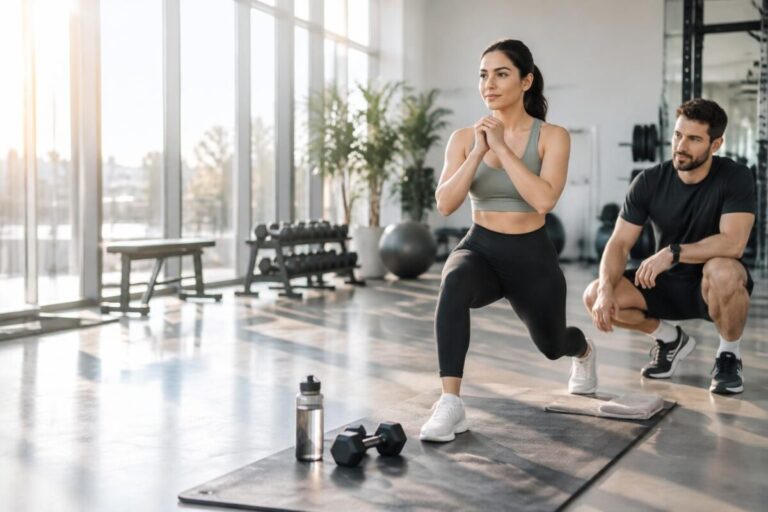
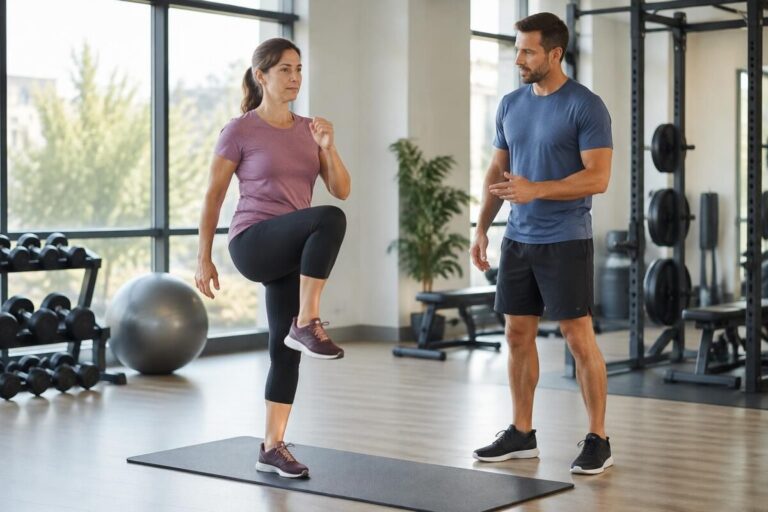
Hi, it’s Néora. The best way to get back into fitness without losing weeks is to lower the intensity at first and gradually increase it based on how you feel.
After a break, getting back into shape doesn’t mean giving it everything you’ve got from your very first workout. A gradual, consistent approach that’s suited to your energy levels can help you get back into your exercise routine while helping prevent injuries.
Getting back into fitness: good habits to adopt
- Start with two sessions a week, with at least one rest day between them.
- Choose a gentle workout lasting 20 to 30 minutes, with familiar movements you can do confidently.
- Keep the intensity moderate: you should be able to talk while exercising.
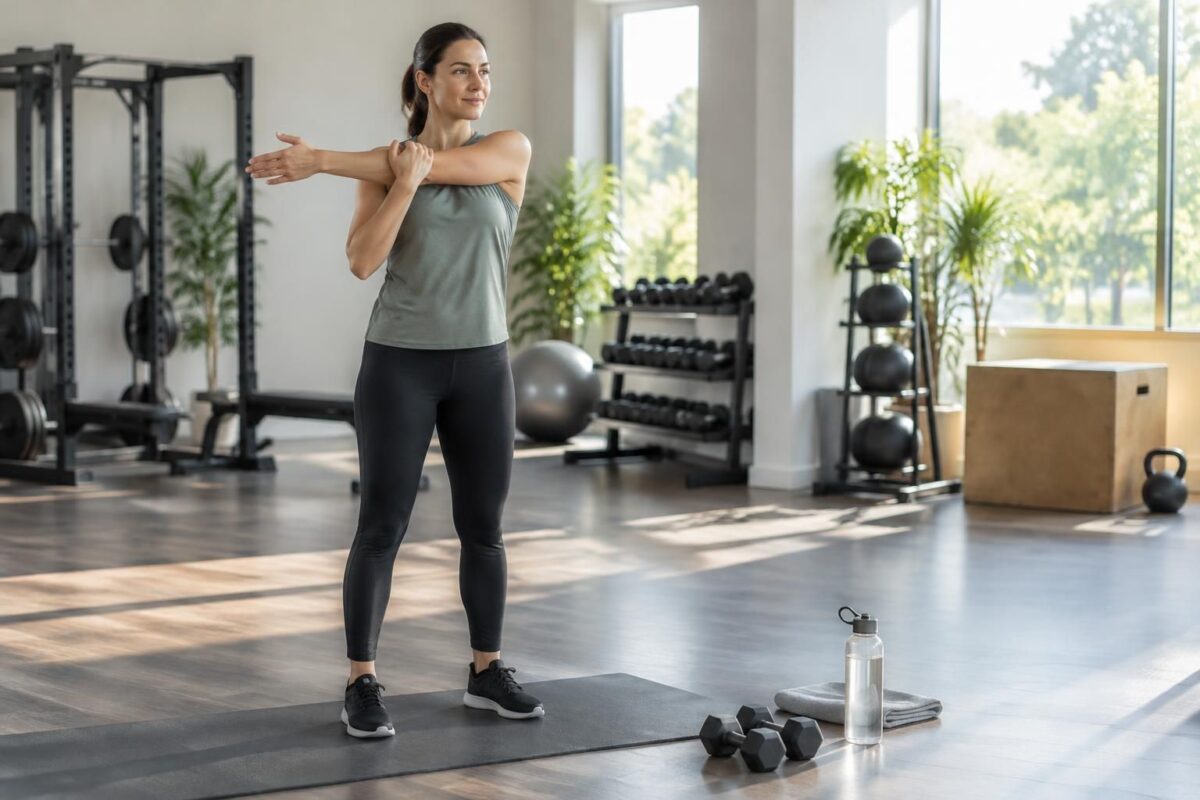
- Set aside 5 to 10 minutes for your warm-up and a few minutes to cool down.
- Make a note of how you feel after each session so you can adjust the next one instead of pushing yourself just for the sake of it.
To avoid false starts, also discover the mistakes that derail your return to exercise and tips on how not to start your cardio workout too fast.
Getting back to exercise without ramping up too soon
A common mistake is to pick up right where you left off before your break. But your muscles, joints, and breathing need time to get used to exercise again; a workout that’s too intense can leave you sore and discourage you from doing the next one.
Imagine Lina, who hasn’t exercised in two months. Instead of doing an hour of cardio followed by difficult exercises, she starts with a 25-minute brisk walk, a few easy strength exercises, and a rest day before her next workout. She finishes feeling energized, not as if she’s given it everything she’s got.
Adapt your workout to how you feel that day
Feeling good one day doesn’t erase the fatigue you’ve built up. Leave yourself some leeway: stop a set if your form starts to suffer, and ease off if a sharp pain occurs. If discomfort persists, seek professional advice.
The right goal isn’t to break a record in your first week, but to build lasting progress. Consistency fuels motivation and supports well-being.
What pace should you choose to get back in shape?
There’s no one-size-fits-all program for getting back to exercise after a break. The right pace depends on your experience, how long you’ve been inactive, and your fitness level; the table below offers simple guidelines you can adapt.
| Period | Suggested number of sessions | Priority |
|---|---|---|
| First week | 2 sessions of 20 to 30 minutes | Get used to the movements without pushing yourself |
| Second week | 2 to 3 sessions, depending on your recovery | Add a little more time or a few repetitions |
| Following weeks | Gradually increase | Make only one aspect more challenging at a time |
If a workout leaves you exhausted for several days, that’s a sign to take it easier next time. On the other hand, if you recover well and maintain good form, you can slightly increase the duration or number of repetitions.
Progress you can easily track
To make your efforts visible, note the duration, exercises, and your energy level on a simple scale from 1 to 5. Improvement might mean recovering faster or finding a workout feels smoother, not just achieving a better performance.
A 3-step plan for easing back into exercise
- Plan two short workouts. Choose days that work for you and schedule recovery time between them.
- Stick to exercises you know how to do. Alternate between mobility work, light strength exercises, and moderate cardio, without trying to exhaust yourself.
- Review how you feel before increasing the challenge. If you’re recovering well and your form remains steady, add one small challenge at a time; otherwise, stick to the same pace.
This approach turns getting back into exercise into a sustainable habit. An exercise routine that fits into your life is better than an ambitious program you abandon after a few days.
Frequently asked questions about getting back into fitness
How many sessions should I plan when getting back into fitness?
Two sessions a week are a reasonable starting point for many people after a break. Adjust this pace based on your recovery and experience.
Do I need to feel sore after getting back into exercise?
No. Soreness isn’t necessary proof of an effective workout. Sharp or persistent pain should prompt you to stop exercising and seek advice from a healthcare professional.
When should I increase the duration or intensity?
Increase gradually when you’re recovering well and your movements remain controlled. Change only one variable at a time, such as the duration or number of repetitions.
What should I do if my motivation drops after the first workout?
Shorten your workout, choose an activity you enjoy, and schedule an exercise session that’s easy to stick to. A short, regular workout is often more helpful than one intense, isolated effort.
I hope you found these tips helpful. See you soon! — Néora