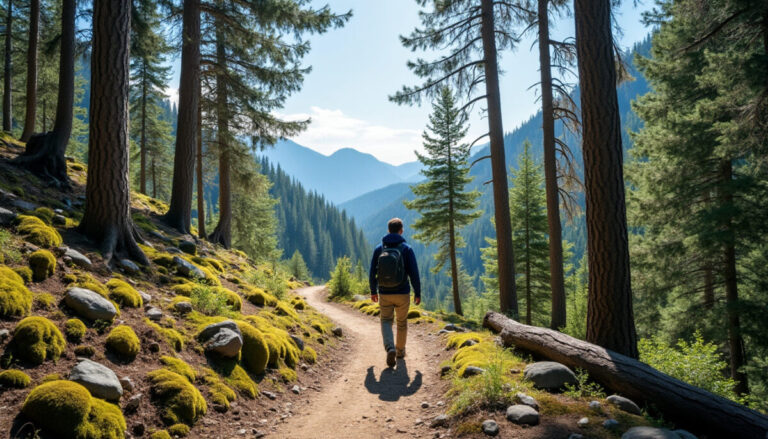
Hiking: a short walk or a genuinely useful way to get back into it
Hello, it’s Néora. A short walk can be a great way to get moving again if it’s regular, gradual, and suited to your energy levels that day. You don’t need to aim for a long hike to get active again: a few steps outdoors are enough to reconnect with how your body feels and support your well-being.
The right format depends mainly on how long your break has been and your current fitness level. On easy trails, the goal is to finish wanting to head out again, not to test your limits on your very first outing.
Things to do right away
- Choose an easy route, flat and close to home.
- Start with 20 to 30 minutes if you haven’t walked much recently.
- Keep a comfortable pace: you should be able to talk without getting out of breath.
- Bring water and shoes suited to the terrain.
- Pay attention to how you feel during the walk and the next day.
After a long break, find out how much to walk when getting back into hiking and how to avoid doing too many miles as soon as you start again.
Short walk or getting active again: how to choose
If you’re getting back to it after a few weeks of inactivity, a short, easy outing can already get your endurance going again. If your break has lasted several months, give yourself some extra leeway: consistency matters more than distance.
A 25-minute walk on an easy path may seem modest. But if you do it two or three times a week and enjoy it, it helps you establish a lasting routine. Nature then becomes a motivating setting, without the pressure to perform.
A practical example of how to pace yourself
After a sedentary period, Lina chooses a 2-kilometer loop near her home. She walks at a pace that lets her chat, then checks the next day whether her legs are just a little tired or actually sore.
If all goes well, she can gradually make her next walk longer. If the fatigue persists, she sticks to the same duration or takes a day off: a successful return gives the body time to adapt.
| Situation | Walking format | Helpful guideline |
|---|---|---|
| Short break, usual fitness level | 30 to 45 minutes | Comfortable pace, familiar terrain |
| Several months without activity | 20 to 30 minutes | Easy route, with no significant elevation gain |
| Fatigue or heavy legs | 10 to 20 minutes, or rest | Reduce the effort if you start feeling worse |
The pitfall to avoid when getting back into hiking
A common mistake is to confuse motivation with what you can manage right now. A route that used to feel easy before your break may now put more strain on your muscles and joints, especially if it includes climbs or uneven ground.
Don’t turn your first outing into an endurance test. It’s better to come home with a little energy to spare than to have to put your fitness routine on hold for several days because you pushed yourself too hard.
Three steps to build a beneficial routine
- Assess your starting point. Note how long you can walk comfortably, without comparing yourself to your previous level.
- Repeat before you go further. Do a few similar outings, then gradually increase the duration or distance, rather than both at once.
- Check in the next day. Mild fatigue can be normal; sharp or persistent pain means you should rest more and, if needed, seek medical advice.
A walk doesn’t have to be long to count. By keeping a gentle pace and setting a realistic goal, you give your body time to find its feet again and let your motivation take root.
How long should I walk on my first outing?
After a break, 20 to 30 minutes at a comfortable pace is often a reasonable starting point. Adjust the duration according to your fitness and how you feel.
Is a short walk enough to get back into exercise?
Yes, if it’s suited to your abilities and repeated regularly. It gets you active again and helps you gradually rebuild your endurance.
Should I walk even if my legs feel heavy?
A very gentle walk may be suitable if the feeling is mild and improves as you move. If the pain gets worse or the fatigue is significant, prioritize rest.
When should I increase the length of a hike?
Make your outing longer once you’ve completed several walks of the same length without problems, including the following day. Increase it in small steps and avoid adding duration and difficulty at the same time.
I hope you found these tips helpful. See you soon! — Néora