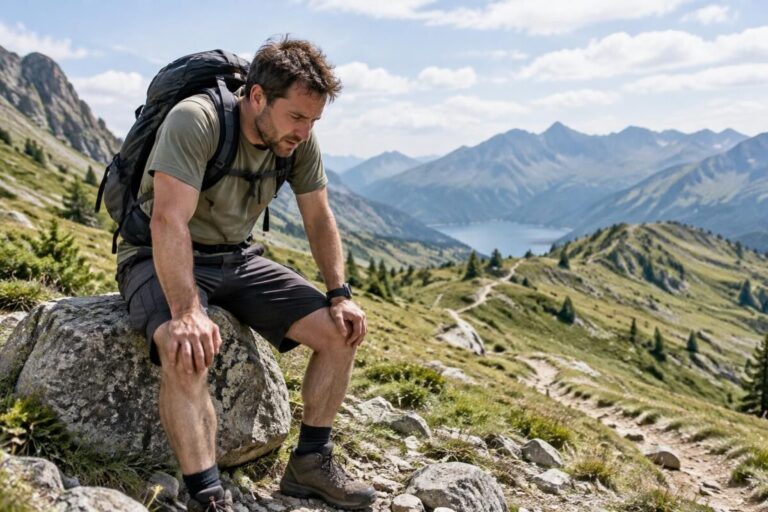
Hiking: how long does it take to cover 10 km without suffering
Hello, Néora here. To walk 10 km on flat terrain, allow 2 hr 30 min at 4 km/h, or 3 hr 20 min at 3 km/h, not including breaks. On hilly or technical hikes, it can take significantly longer. No pace guarantees you’ll be pain-free: choose a route suited to your experience and recovery.
Time spent moving and the total time out are two different things. To plan for 10 km, check the distance, cumulative elevation gain and difficulty on the route description, then add your stops and a buffer. The FFRandonnée guidelines on route duration use about 4 km/h on flat ground, excluding breaks. In the mountains, don’t rely on distance alone.
What to do right now:
- Take the time to estimate the distance and elevation gain accurately using a reliable app.
- Adjust your pace to the terrain and the group, without trying to maintain 4 km/h on a slope or technical section.
- Build in regular breaks of 5 to 10 minutes per hour to recover and enjoy yourself.
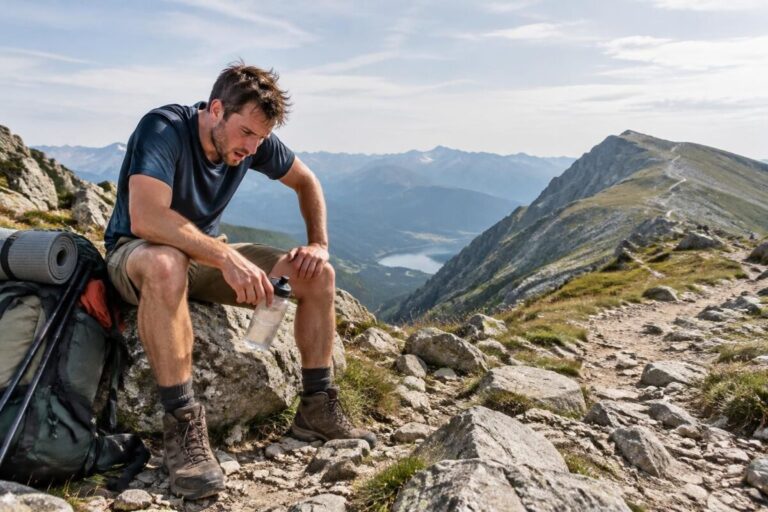
- Bring water and food suited to the planned duration, without waiting until significant fatigue sets in.
- Start with shorter outings so you can progress without pressure or pain.
Managing distance without exhaustion and 5 essential tips for getting started with hiking are useful resources to help you enjoy your outdoor outings feeling your best.
How do you estimate your hiking time for 10 km?
On easy terrain, calculate the time by dividing the distance by your pace. At 4 km/h, one kilometre takes 15 minutes; at 5 km/h, it takes 12 minutes. On hilly terrain, add the route’s estimated time as a further guide, since an ascent and a technical descent can’t be measured in kilometres alone.
- Check the total elevation gain, not just the summit’s altitude,
- Check for steep descents, ground conditions and tricky sections, then adjust the schedule to suit your ability.
Example on flat terrain: 10 km at 4 km/h takes 2 hr 30 min moving. With a total of 30 minutes of stops, allow 3 hours, before adding any extra time for unexpected delays. You can’t apply this calculation as is to a mountain route.
You don’t need to finish faster on every outing. A shorter route or turning back early may be the right choice if the terrain or how you feel that day doesn’t match what you expected.
Personal and environmental factors that affect your time
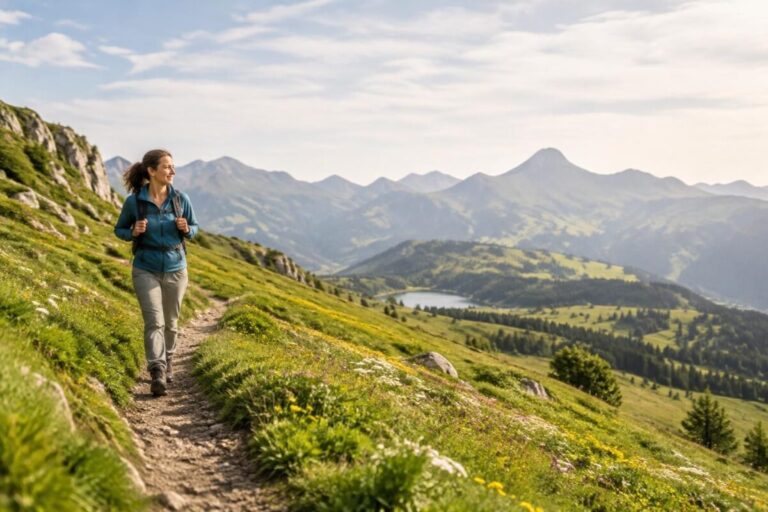
Your fitness, age and experience all play an important role in your speed. A fit hiker may be able to maintain a pace above 5 km/h on flat ground. By contrast, a beginner or someone who is less well-trained may prefer a more moderate pace, around 3 to 4 km/h, to avoid pain. Uneven, muddy or high-altitude terrain will also slow you down, as will the weather (heat, wind).
Getting physically prepared to walk 10 km without suffering
The key is good preparation. Even though 10 km may seem like a manageable distance, it takes a minimum level of endurance and preparation to avoid suffering during the hike.
- Step 1: Add regular walks to your weekly schedule, gradually increasing the distance and elevation gain.
- Step 2: Work on your fitness with strength-training exercises, particularly for your legs, as well as cardio.
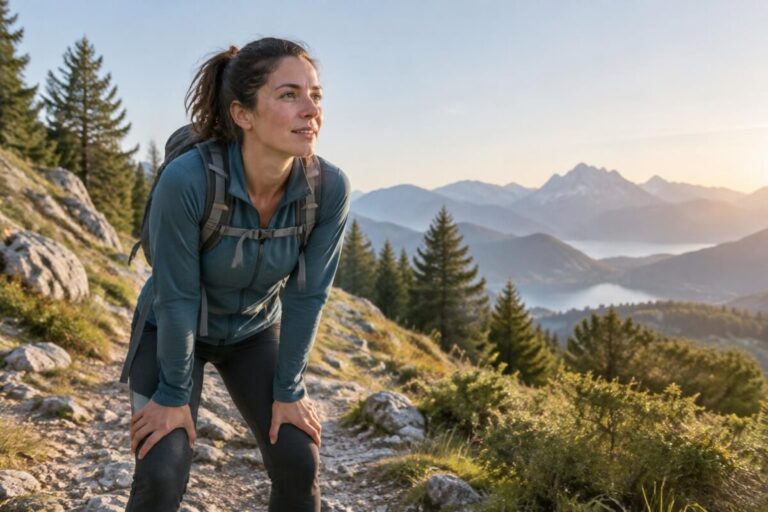
- Step 3: Learn to manage your breathing and pace to conserve your energy and avoid getting tired too soon.
Regular practice can improve endurance, but the rate of progress varies. Before increasing the distance, check how you feel during the outing and the next day.
A tip for managing your time on a hike
Set off early enough to leave yourself some extra time, and identify a shorter option before you go. Let someone close to you know your route, and don’t base your schedule on the pace of the fastest person in the group.
Walking 10 km: duration table by pace
| Steady pace on flat terrain | Time per km | 10 km moving | With 30 min of stops (example) |
|---|---|---|---|
| 3 km/h | 20 min | 3 hr 20 min | 3 hr 50 min |
| 4 km/h | 15 min | 2 hr 30 min | 3 hr |
| 5 km/h | 12 min | 2 hr | 2 hr 30 min |
Bring water and snacks for an outing lasting several hours
Adjust what you bring to the duration, the heat and the resupply options you’ve checked. Keep your water within easy reach and bring a snack you know agrees with you, such as a piece of fruit, bread or a small cereal bar. The preparation recommended by FFRandonnée includes food and hydration, just as it does route planning.
To learn more about this before and after exercise, AthleteFuelGuide’s sports nutrition and recovery advice can complement your preparation. A drink or supplement is no substitute for an appropriate pace or a break when you need one.
Enjoy the hike: how to stay in shape without pain
It’s not just about walking fast, but about walking at the right pace. Reduce the risk of pain by following these 3 guidelines:
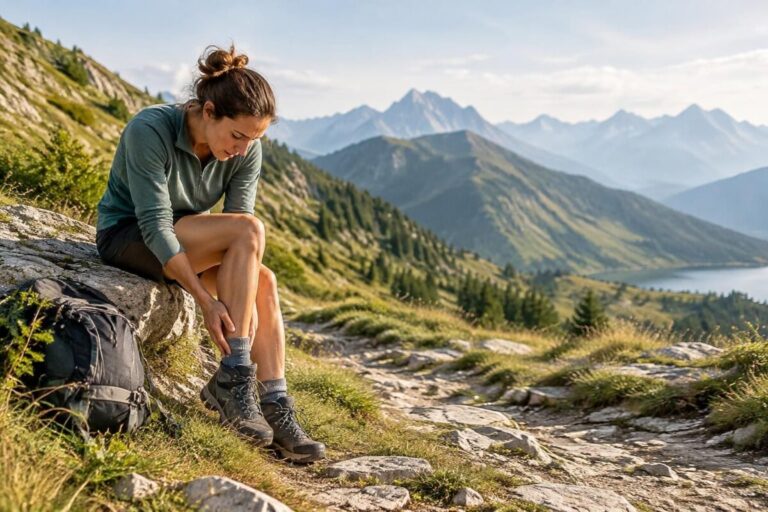
- Choose hiking shoes that fit the activity and break them in well.
- Carry a lightweight, well-balanced backpack so you don’t tire yourself unnecessarily;
- Start gently to warm up, without forcing your range of motion or relying on stretching to prevent all muscle soreness.
If this is your first 10 km hike, it’s best to set off at a relaxed pace. If you’re experienced, you can go at a more energetic pace depending on your training. And always build in breaks to recharge while taking in the scenery.
How long does it usually take to hike 10 km?
The average time ranges from 2 hr 30 min to 4 hr, depending on the slope, fitness level and breaks.
How can you avoid pain while hiking?
Choose a suitable pace, wear good shoes, stay hydrated and take regular breaks.
Should you plan to take lots of breaks on a 10 km hike?
Yes, it’s a good idea to plan for 5 to 10 minutes of break time per hour of walking to avoid fatigue and enjoy the scenery.
Can you walk faster without risking pain?
Building up gradually may allow you to walk faster, but being pain-free is never guaranteed. Don’t speed up at the cost of pain or excessive fatigue.
What tools can help you estimate your hiking time more accurately?
Apps such as swisstopo or online calculators let you adjust your time according to the terrain and how fit you feel on the day.
Thank you so much for your interest… Best wishes; Néora