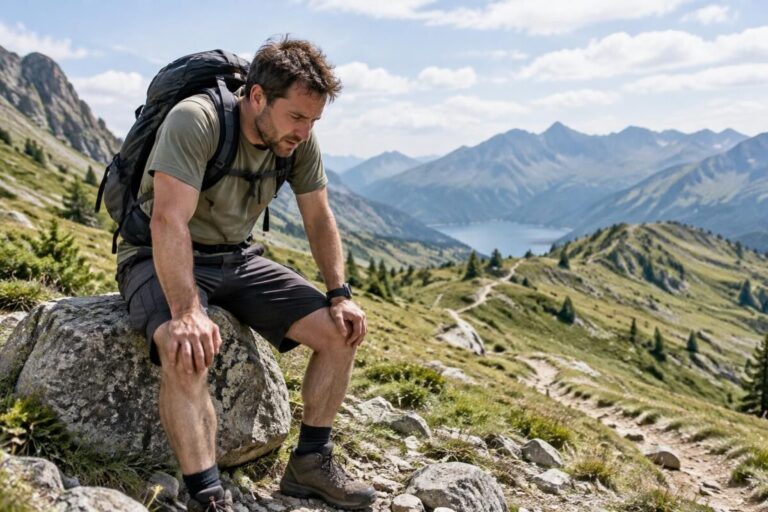
Hiking: setting off again after a break without ending up exhausted
Hi, it’s Néora.
To get back to hiking without ending up exhausted, ease back into it, walk at a moderate pace, and take regular breaks.
After a break, your enthusiasm may return faster than your stamina. A short, well-paced outing can help you get back into the swing of things without turning your walk into a challenge.
What to do right away
- Choose an easy route that’s shorter than your previous hikes.
- Start with an easy walk, without trying to make up for lost time.
- Keep a moderate pace that lets you talk without getting out of breath.
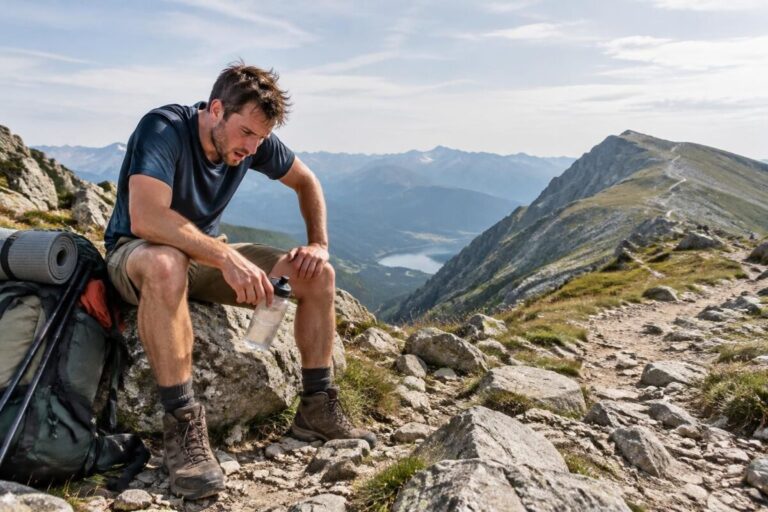
- Plan regular breaks, before you become very tired.
- Bring water and drink regularly to stay hydrated.
To adjust the distance, check out these tips on hiking after a long break and this approach to easing back into it without losing your enthusiasm.
The trap to avoid when getting back into hiking
Trying to cover the same distance or elevation gain as before your break on your very first outing is a common mistake. Your legs may feel ready, but it often takes several hikes for your stamina and ability to tolerate exertion to return.
Imagine Camille, who hasn’t walked for a few months. She chooses a hilly route that takes several hours and ends up exhausted: a shorter loop with a gentle climb would have let her enjoy the outing and recover more easily.
Pacing yourself makes all the difference
Keeping a steady pace helps you conserve energy. If you’re panting, slow down for a few minutes: a successful return to hiking is measured by how you feel during the walk, and afterward too.
Preventing fatigue also means carrying a light backpack, wearing comfortable shoes, and bringing a snack suited to the planned duration. The goal isn’t to test your limits, but to give your body time to find its feet again.
Ease back in according to your fitness level
The ideal distance depends on your habits, the terrain, and your fitness level. If you’re unsure, start with a short outing, then pay attention to how you feel that evening and the next day.
| Situation | Option for getting back into it | Helpful guideline |
|---|---|---|
| Recent break, feeling reasonably fit | Easy, short walk | Finish with energy to spare |
| Long break or ongoing fatigue | Flat route, ideally with an easy option to turn back | Shorten the route if the pace becomes uncomfortable |
| Short outings already feel comfortable | Gradually increase the duration or elevation gain | Change only one thing at a time |
An enjoyable outing is better than an overly ambitious challenge. Recovery is part of making progress: give yourself time to catch your breath before extending the route.
Three steps to get back out there without exhausting yourself
- Plan an accessible outing. Choose familiar or easy terrain, a reasonable duration, and a route you can shorten if needed.
- Manage your pace. Start slowly, keep a comfortable rhythm, and take a break whenever you need one. Drink regularly.
- Assess your recovery. The next day, check whether you feel rested. If you’re very tired, keep your next outing just as easy or give yourself more time to rest.
Once these outings feel comfortable, gradually increase the duration or elevation gain, but not both at the same time. It’s a simple way to rebuild your stamina without sacrificing the pleasure of walking.
Frequently asked questions about getting back into hiking
How long should I walk on my first hike after a break?
Choose a duration that feels manageable for you, based on your fitness level and the terrain. The key is to finish without being exhausted and to recover normally.
Should I take a break even if I feel fine?
Yes, regular breaks can help you maintain a comfortable pace, especially on hilly terrain or in hot weather. Drink at regular intervals too.
When should I increase the distance?
Increase it when your current outings feel comfortable while you’re walking and you recover well afterward. Take it in small steps and avoid adding a lot of elevation gain at the same time.
What should I do if I’m still tired after the outing?
Make your next hike easier or postpone it, and prioritize rest. If the fatigue is unusual, severe, or accompanied by concerning symptoms, seek advice from a healthcare professional.
I hope you found these tips helpful. See you soon! — Néora